
By Cristina DC Pastor
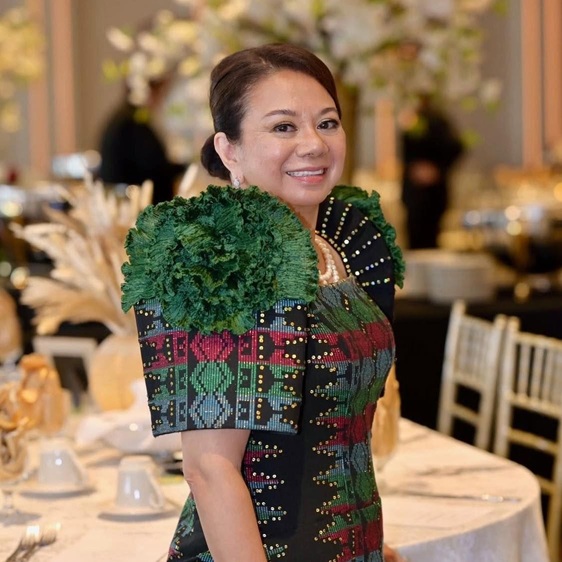
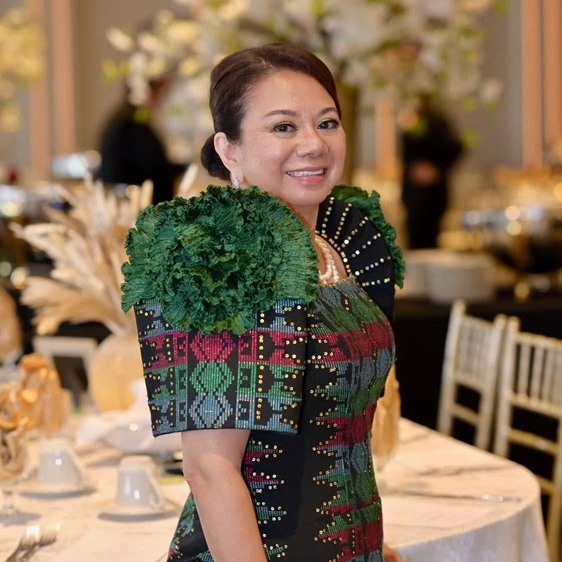
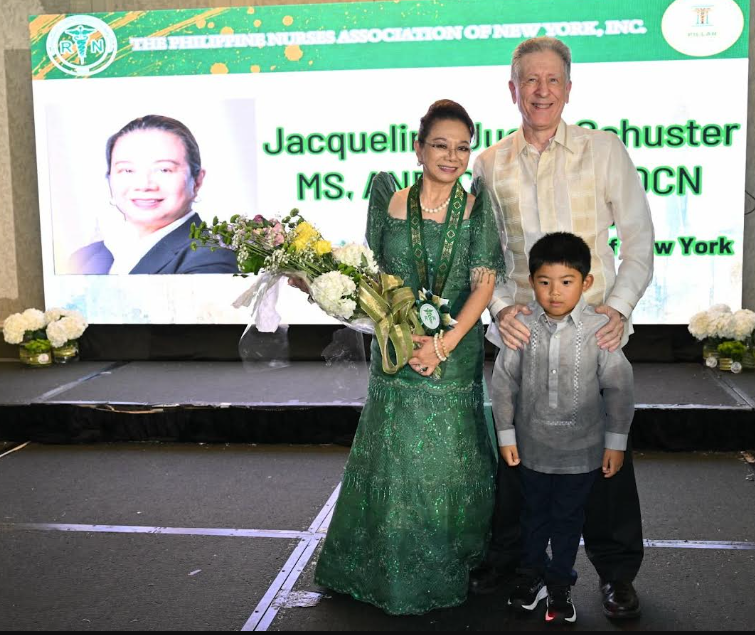
For Jacqueline Juele-Shuster, the incoming president of the Philippine Nurses Association of New York, her leadership comes at a significant moment.
PNANY, an organization founded in 1929 is preparing to celebrate its centennial in 2029. She sees the milestone as both a reason to honor the generations of Filipino nurses who built the association and an opportunity to ensure that it remains relevant to a new generation of professionals.
“Our theme, ‘Be a PILLAR: From Vision to Reality,’ reflects my vision for our 2026–2028 term,” she said, describing PILLAR as an expression of the organization’s priorities: Providing, Inclusivity, Learning, Legacy, Advocacy and Resilience.
For her, the work ahead involves strengthening professional relationships, creating opportunities for nurses to learn from one another and building an organization in which members feel welcome, valued and empowered to contribute.
“I want experienced nurses to have opportunities to mentor younger nurses, internationally educated nurses to feel welcomed and supported, and our members to recognize that their voices matter,” she said in an interview with The FilAm.
Jacqueline serves as Wound Care Team Leader and Adult Nurse Practitioner at NYC Health + Hospitals | Carter, with advanced practice expertise in wound and ostomy care. She also chairs Carter’s Skin Integrity Team and the Wound Care Council for the NYC Health + Hospitals Post-Acute Care Service Line.
She is also involved in quality improvement, staff education, clinical guidelines and documentation practices. One area of exploration she mentioned has been the use of mobile phone photography to document wounds and monitor changes over time, helping healthcare professionals communicate more effectively and assess healing.
She believes that education can be both practical and engaging. She used fruits and vegetables as visual teaching tools to educate staff and residents about pressure injury prevention. The project was selected for The Joint Commission Library’s “best-practice” collection.
“A wound may appear to be a clinical problem, but behind every wound is a person who deserves comfort, dignity, and the best possible chance to heal,” she said.
Nurses in the family
Her decision to pursue nursing was influenced by a family that placed a high value on education, perseverance and professional excellence.
She initially earned a Bachelor of Science in Biology from the University of the Philippines before completing a Bachelor of Science in Nursing at Riverside College of Nursing in Bacolod City. She later earned master’s degrees in Community Health and Adult Nurse Practitioner studies from Long Island University.
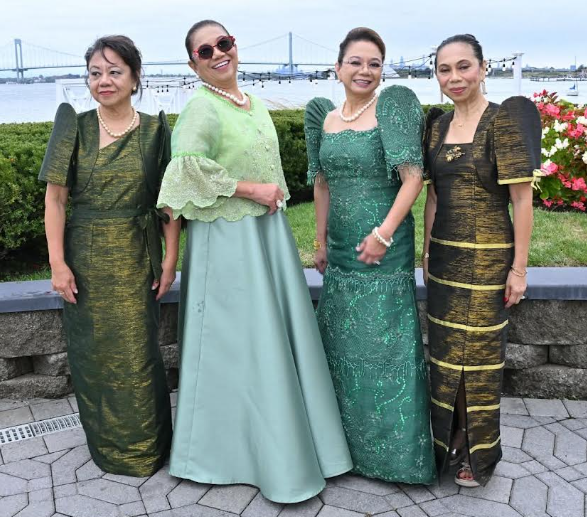
There are three nurses in her family. Her eldest sister, Jocelyn Cesareo, was an early role model. An academically driven professional, Cesareo retired as a director of infection control, demonstrating how specialized knowledge and dedication could contribute to patient safety.
Another sister, Joji Jalandoni, represents a different dimension of the profession, connecting nursing with community service and demonstrating that leadership can extend beyond hospital walls.
The youngest sister, Jajorie Hagelgans, chose a career in management rather than healthcare. Yet she remains an important part of the family’s professional circle, contributing her organizational and management skills to PNANY projects, including the association’s commemorative journal.
“We are each other’s cheering squad,” she said, describing a family dynamic in which one person’s success becomes a source of pride for everyone.
Their parents also helped shape their outlook. Her father retired as vice president of engineering services at Victorias Milling Company, while her mother established and managed several businesses. Both instilled in their children the importance of hard work, education and continuous growth.
Her husband, Michael, is another important source of support. Because he also works in healthcare, he understands the demands of the profession and the responsibilities that come with her clinical and organizational commitments.
Leading through change
Nursing has undergone substantial changes, from advances in technology to staffing pressures and evolving healthcare systems. She believes nurses must be willing to adapt while preserving the human connection that defines their work.
Technology can improve documentation, communication and clinical decision-making, but it cannot replace sound judgment or empathy, she said. “A digital record can document a patient’s condition, but it cannot replace the reassurance of a nurse who takes the time to listen, explain, and comfort.”
Staffing challenges, she acknowledged, are more complicated. Nurses are often expected to accomplish more with limited time and resources, making education, teamwork, realistic workflows and patient safety essential priorities.
She believes that advocating for patients must go hand in hand with advocating for nurses. Quality healthcare depends on the competence, well-being and working conditions of the professionals delivering it.
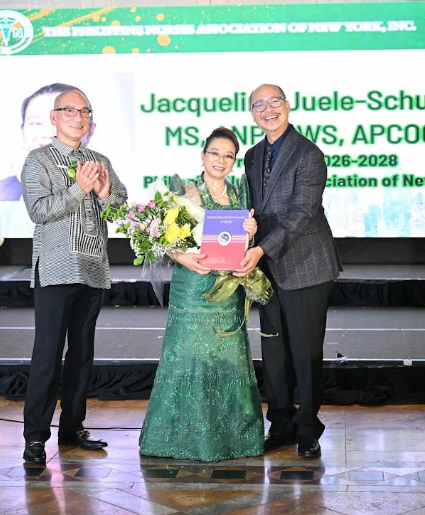
The same principles guide her leadership at PNANY. Like many professional associations, the organization must balance members’ different expectations, schedules and ideas while relying on volunteers who also have demanding careers and family responsibilities.
“We may not always agree on the approach, but we can still share the same commitment to Filipino nurses, professional development, and community service,” she said.
Preparing the next generation
As PNANY looks toward its centennial, Jacqueline wants the organization to serve as a professional home for nurses at different stages of their careers. It means preserving the contributions of earlier generations while making room for new ideas.
Her advice to young Filipinas considering nursing is to invest in their education, remain curious and seek mentors who can help them grow.
Nursing demands scientific knowledge, critical thinking, emotional resilience and the ability to communicate with people from different backgrounds, she said. “It can be rewarding, but it is not without difficult days.”
Filipino nurses, she believes, bring valuable qualities to the profession, including compassion, adaptability, resourcefulness and a strong sense of service. They must also recognize their own worth and advocate for themselves.
As she begins her two-year term, Jacqueline acknowledges that she may not accomplish everything she hopes to achieve.
“I may not be able to accomplish everything during my term, but I hope to leave an organization that is more connected, more inclusive, and better prepared for its next chapter,” she said.
Ultimately, she hopes her leadership will be measured not just by what happens during her presidency, but by the opportunities it creates for the Filipino nurses who come next.