
IN THE MIX BY MIC DIAZ: CHAT WITH MIC
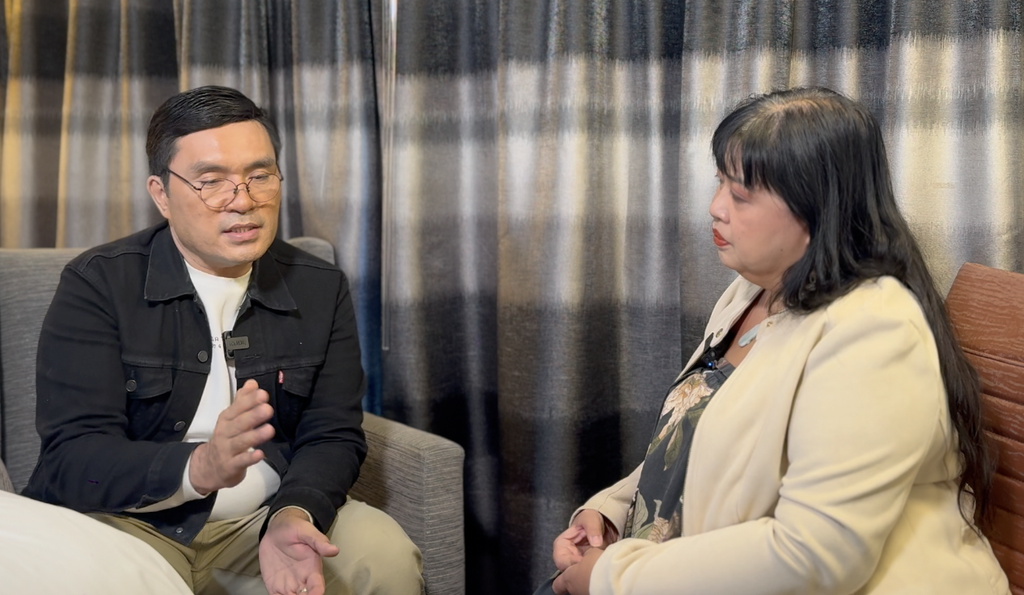
For Marcos Mamay, public service does not end at the doors of government. The Vice Mayor of Nunungan, Lanao del Norte has found another platform for pursuing social change: filmmaking. As a producer, Mamay is particularly interested in advocacy films—stories designed not only to entertain, but to encourage audiences to think about issues affecting their communities.
I sat down with Mamay for Chat With Mic during the Manila International Film Festival in Los Angeles, where he was presenting KAPPA-TIRAN. The film tackles hazing, bullying and violence associated with fraternities, sororities and other organizations, subjects Mamay believes young people and their families need to discuss more openly. He described the film as an “eye-opener” that can help viewers better understand the consequences that can come with the desire to belong.
His interest in socially conscious filmmaking grew partly from his experience in public service. After the pandemic left many people in the entertainment industry without work, Mamay saw film production as another opportunity to help. He began focusing on projects that could provide employment while also carrying messages he believed could make a difference.
Mamay’s journey into politics was itself unexpected. Before entering government, he was involved in business and held leadership positions in several organizations. He said residents eventually encouraged him to enter politics after decades in which Nunungan struggled with peace and development. Although he initially intended to seek a different local office, circumstances ultimately led him to run for mayor—and win. He now serves as the municipality’s vice mayor.
During our conversation, Mamay pointed to new infrastructure, expanded access to electricity, improved roads and greater peace and order among the developments pursued during his time in public office. He also spoke about efforts to resolve longstanding family conflicts in the community and credited cooperation among residents and different levels of government with helping move projects forward.
That same philosophy of cooperation carries over into his filmmaking. KAPPA-TIRAN is Mamay’s second film project. He previously produced the biographical film Mamay: A Journey to Greatness, and he told me that producing films has become a passion because cinema gives him another way to reach people and raise awareness. He is already considering a future project centered on the experiences and sacrifices of Overseas Filipino Workers (OFWs).
Despite working in two seemingly different worlds, Mamay sees a common thread between politics and filmmaking: collaboration. Government cannot create lasting change alone, he said, just as one filmmaker cannot build meaningful cinema without working with others.
“We cannot stand alone,” Mamay told me. Whether bringing government agencies together or collaborating with fellow filmmakers, he believes progress depends on people working toward a shared purpose.

For Mamay, then, filmmaking is not a departure from public service. It is public service through a different lens—another way to raise awareness, start conversations and use the platform he has been given to make an impact.