
IN THE MIX BY MIC DIAZ: CHAT WITH MIC
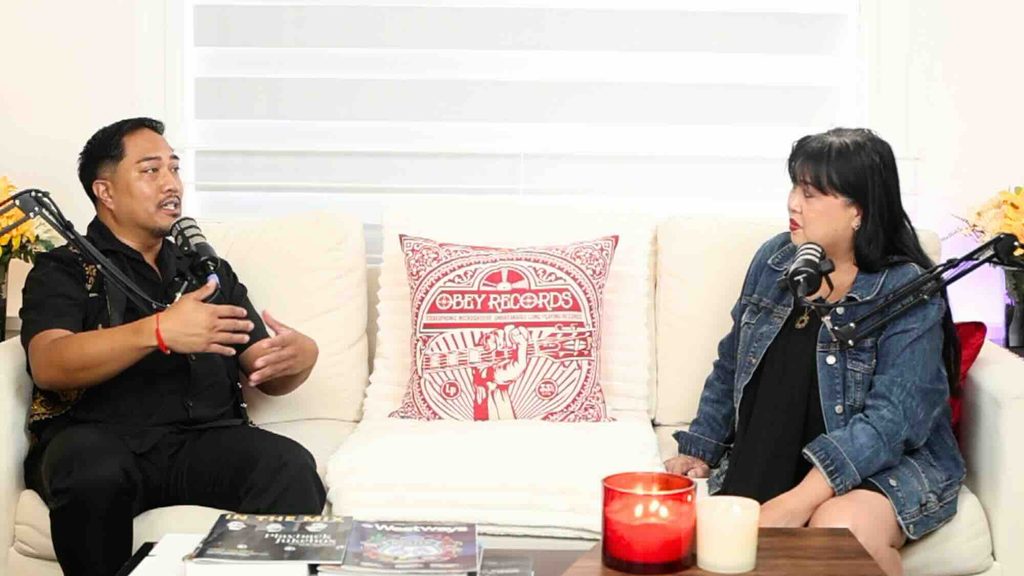
For Bernard Ellorin, Ph.D., music is more than performance. It is a way of preserving history, strengthening identity and ensuring that Philippine cultural traditions continue to be heard by future generations. A San Diego-based ethnomusicologist, educator and cultural bearer, Ellorin has spent more than three decades sharing Philippine music with Filipino and non-Filipino communities.
I sat down with Bernard for Chat With Mic, where he shared how his connection to Philippine music began when he was just 10 years old. His mother enrolled him in Filipino cultural music and dance classes, introducing him first to the bandurria and the rondalla tradition. That early exposure eventually led him to the kulintang, the gong-chime music traditions of the southern Philippines that would become a major focus of his academic and cultural work.
What began as a childhood activity gradually became something much deeper. Growing up Filipino American, Ellorin understood what it felt like to search for representation and a stronger connection to his heritage. Performing Philippine music and dance became an important way for him to feel seen and heard while discovering a cultural history that extended far beyond what he encountered in everyday American life.
That curiosity eventually led him into ethnomusicology and the study of indigenous music traditions of the southern Philippines, including those of Muslim Filipino communities. His work examines not only how the music is performed, but the history, communities and cultural traditions surrounding it. Today, Ellorin is an adjunct music faculty member at Miramar College, bringing his experience as both a scholar and practitioner into his work as an educator.
Beyond academia, Ellorin has remained deeply involved in community-based cultural work. He serves as music director for the Samahan Filipino American Performing Arts and Education Center and artistic director of the Pakaraguian Kulintang Ensemble. Through performances, workshops, educational programs and collaborations, he continues introducing audiences to Philippine musical traditions that are rarely represented in mainstream American music education.
One of the challenges Ellorin sees is the limited space given to Philippine indigenous music in schools and universities. Filipino Americans are one of the largest Asian American communities in the United States, yet many grow up with little opportunity to study their own musical traditions in a formal classroom. For Ellorin, making this music accessible is therefore about more than preservation—it is also about representation.
His work demonstrates that cultural preservation does not mean keeping traditions frozen in the past. Music remains alive when people continue to learn it, perform it, understand where it comes from and share it with others. Each workshop, class and performance creates another opportunity for someone—particularly a young Filipino American—to discover a part of their heritage they may never have encountered before.
After more than 33 years of cultural and educational work, Ellorin continues to use music as a bridge between generations. Through research, education and performance, he is helping ensure that the sounds of the Philippines are not simply remembered, but heard, understood and carried forward.