
IN THE MIX BY MIC DIAZ
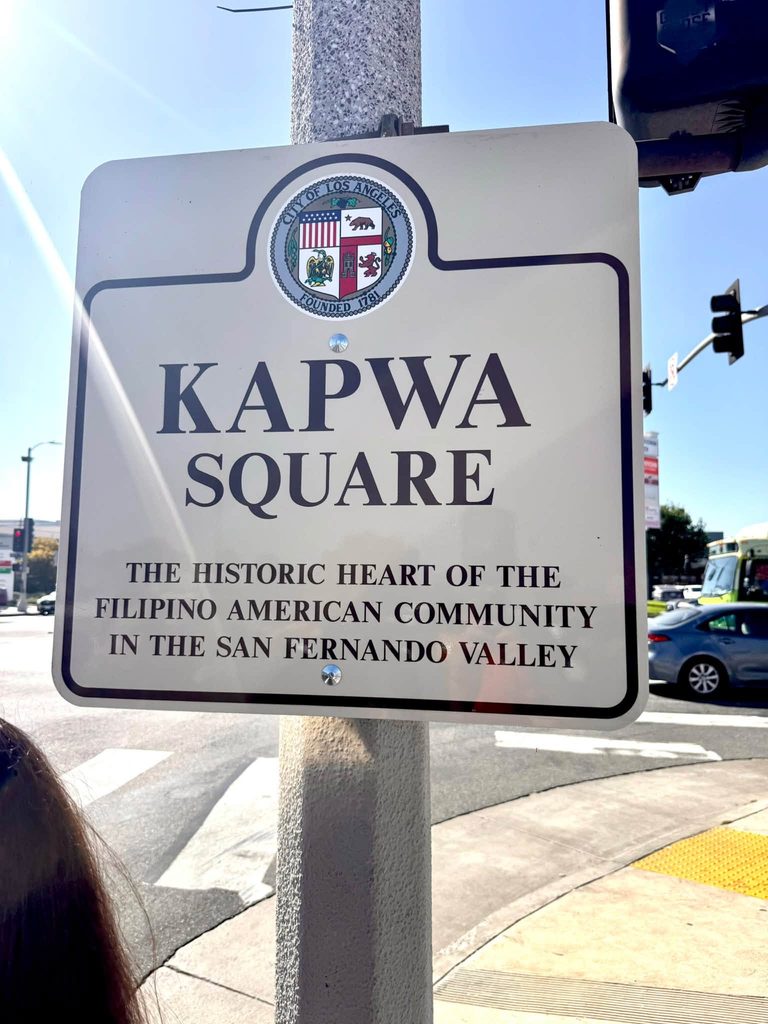
On the first day of Filipino American History Month, a familiar intersection in Panorama City took on a new meaning. The corner of Roscoe Boulevard and Woodman Avenue was officially dedicated as Kapwa Square, creating a permanent public recognition of the Filipino American community and its history in the San Fernando Valley.
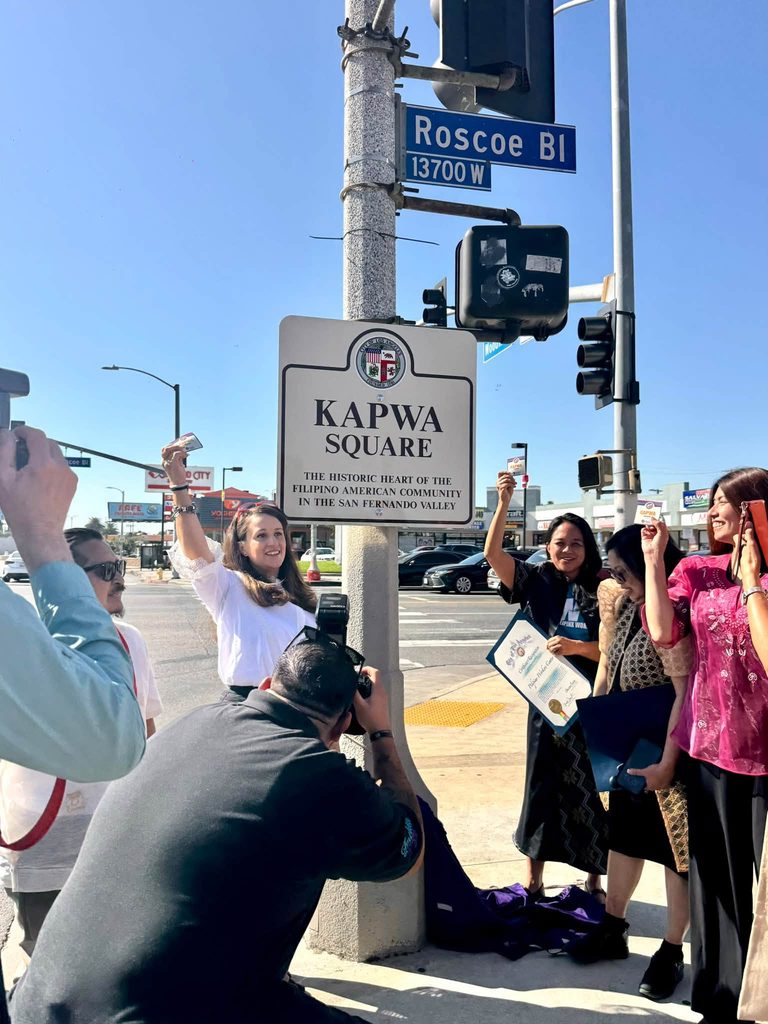
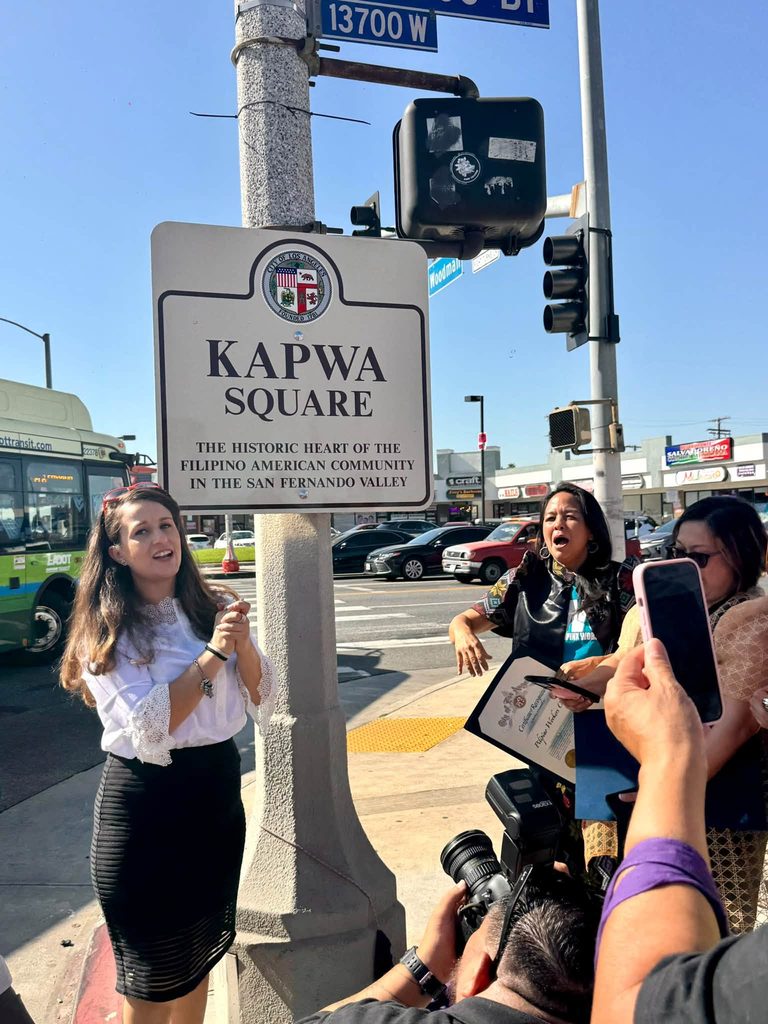
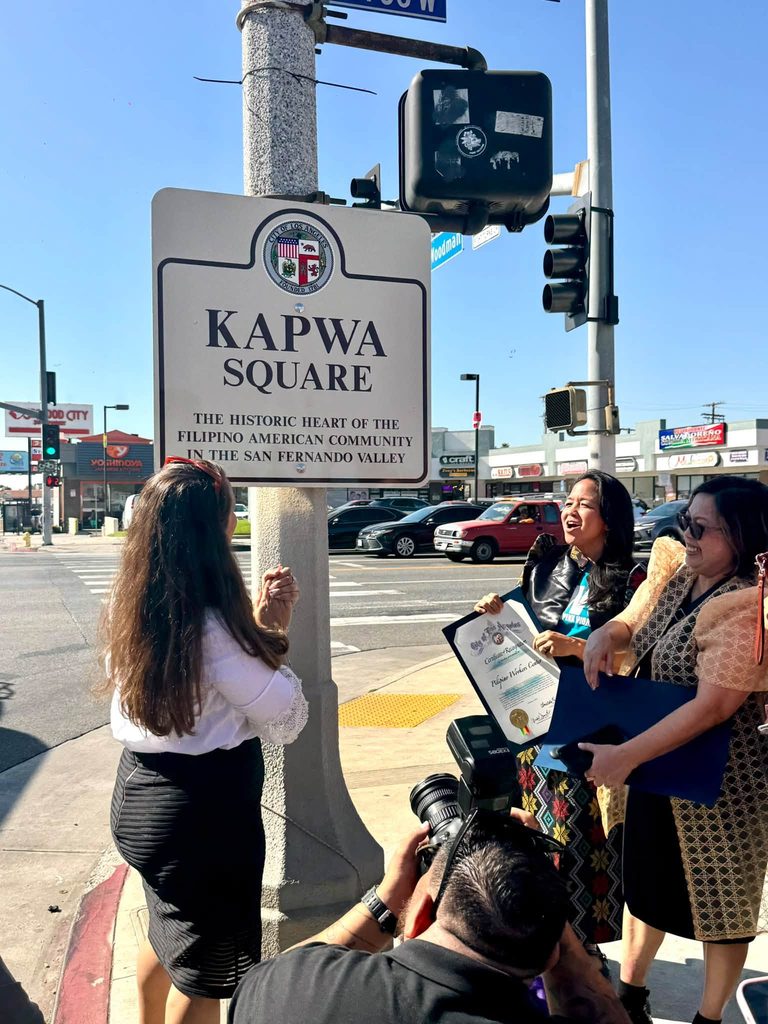
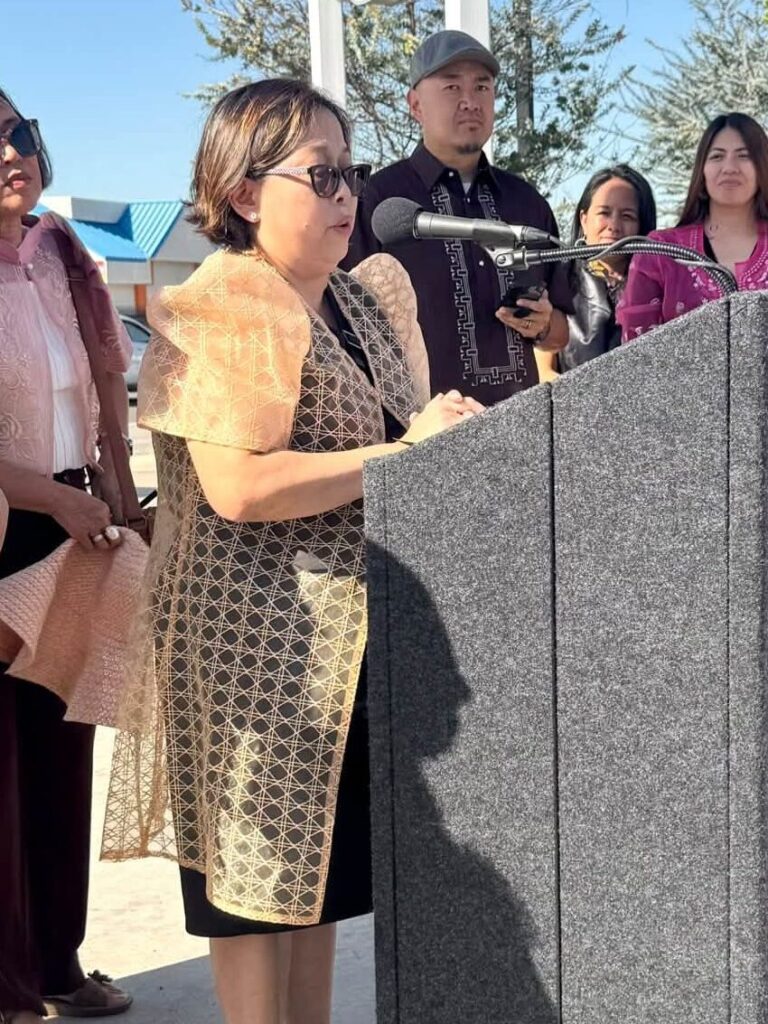
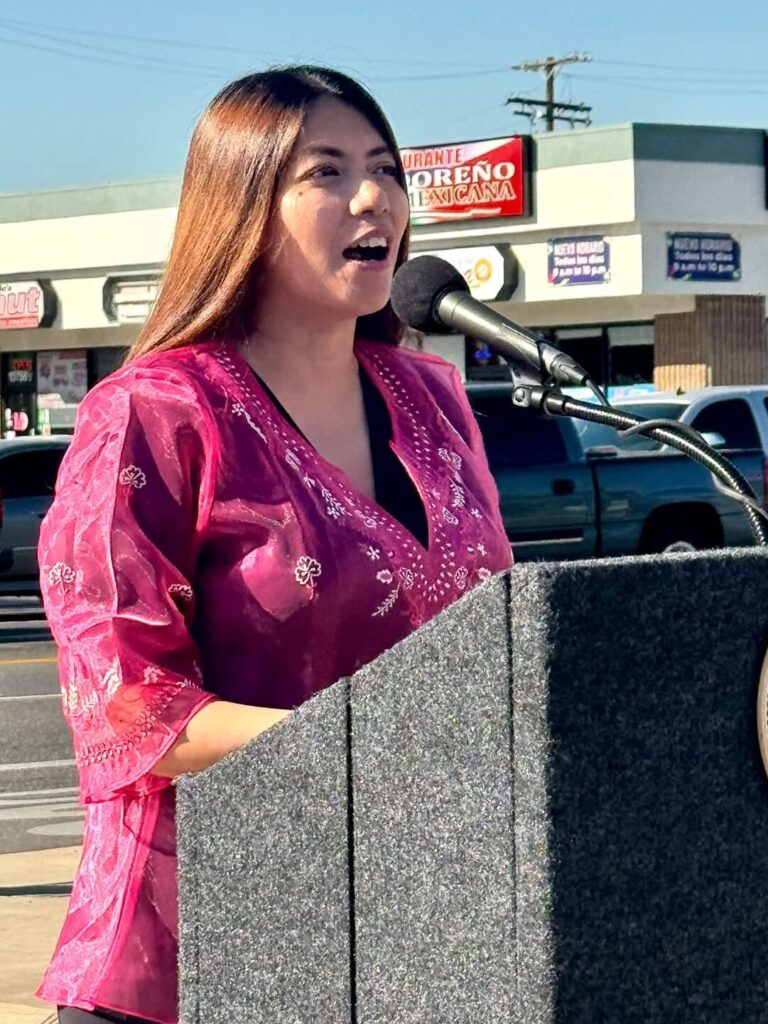
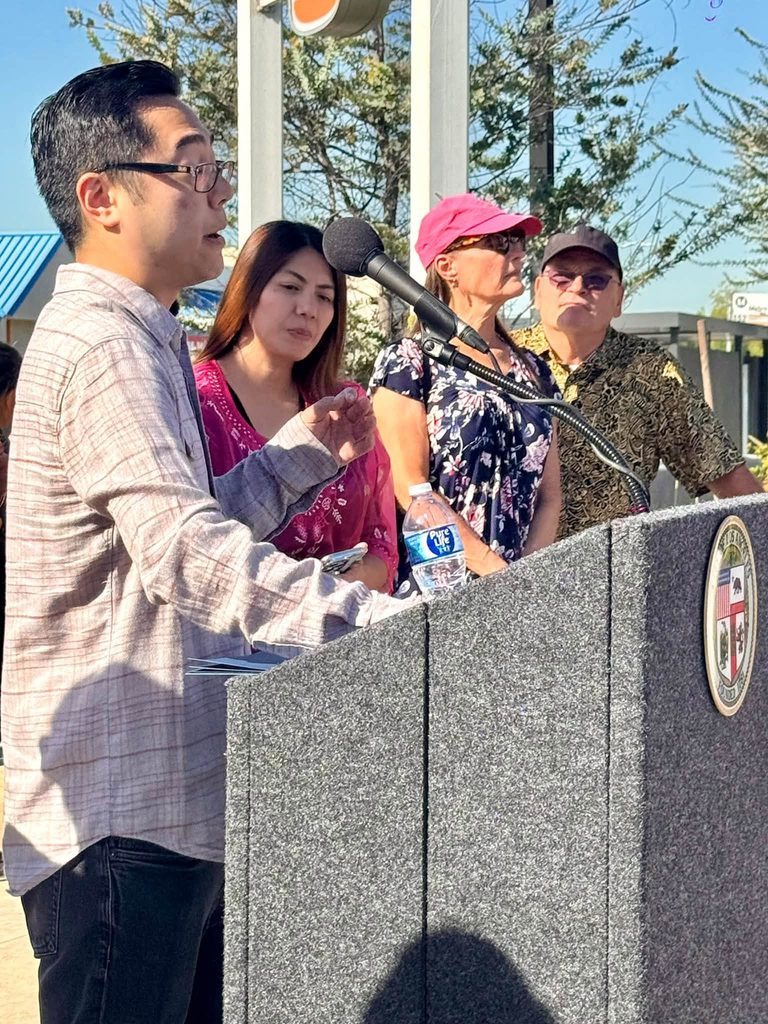
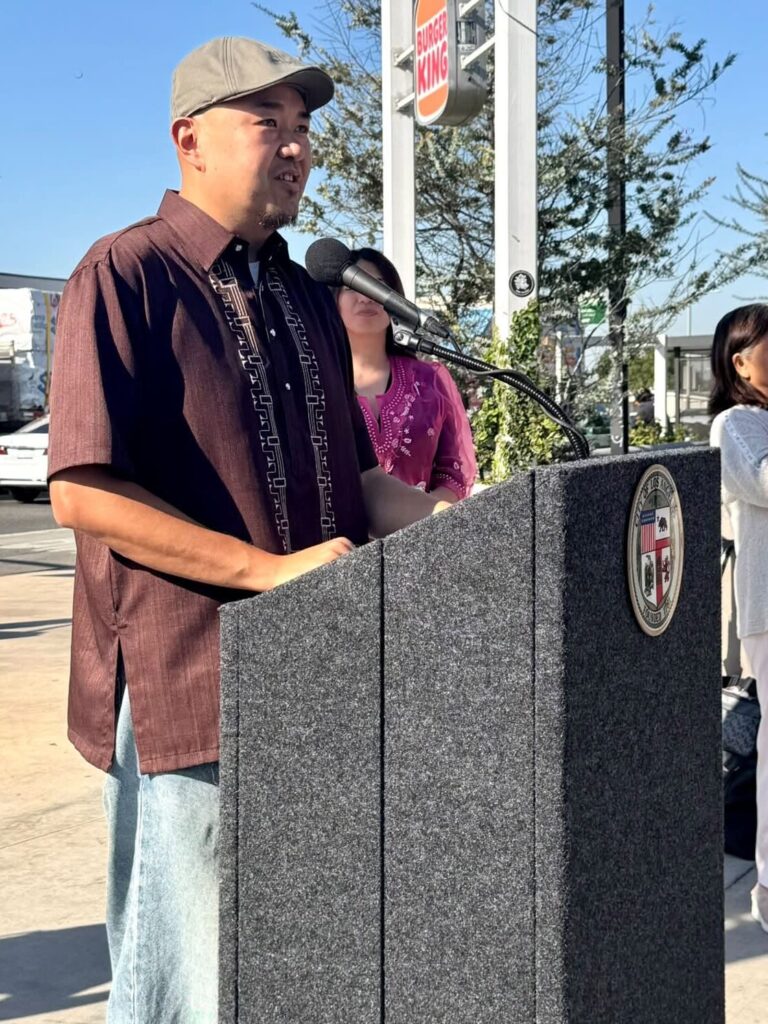
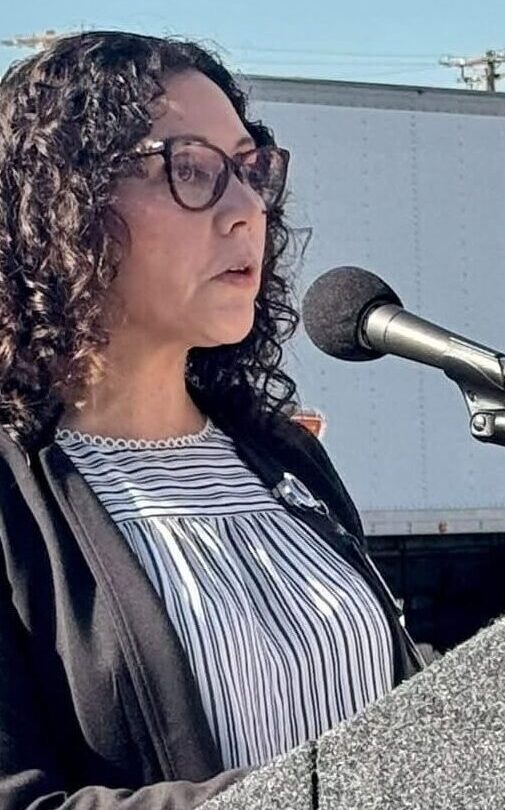
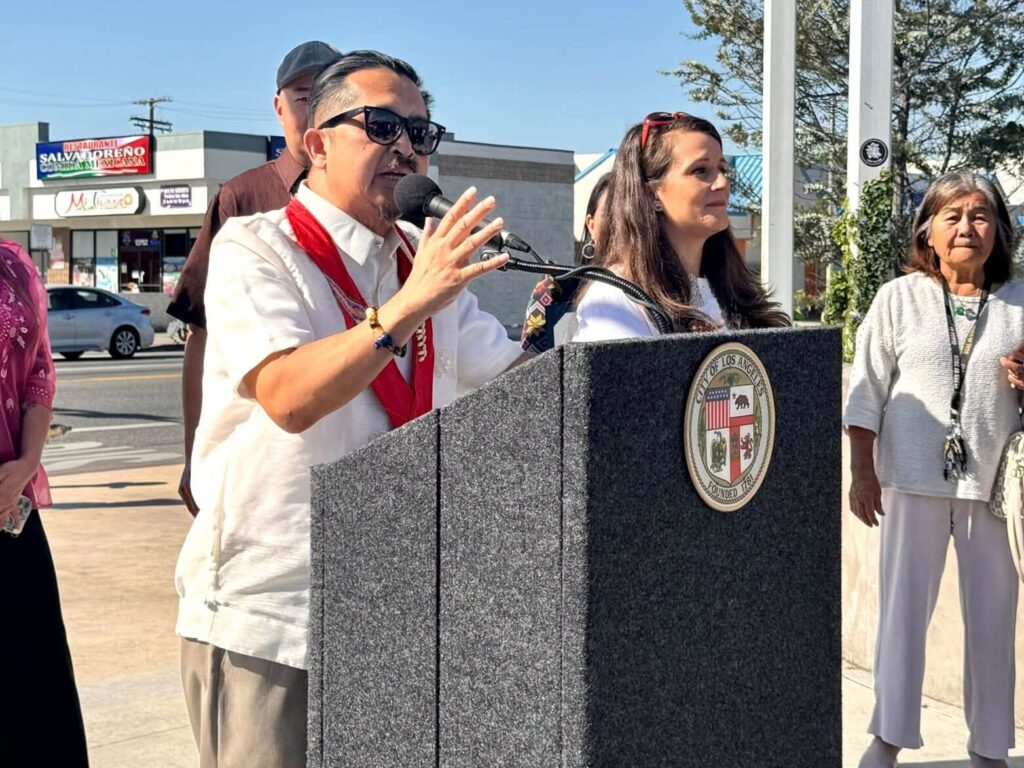
The October 1 dedication brought together city officials, community organizations, students and residents to celebrate a neighborhood where generations of Filipino Americans have lived, worked, built businesses and created community.
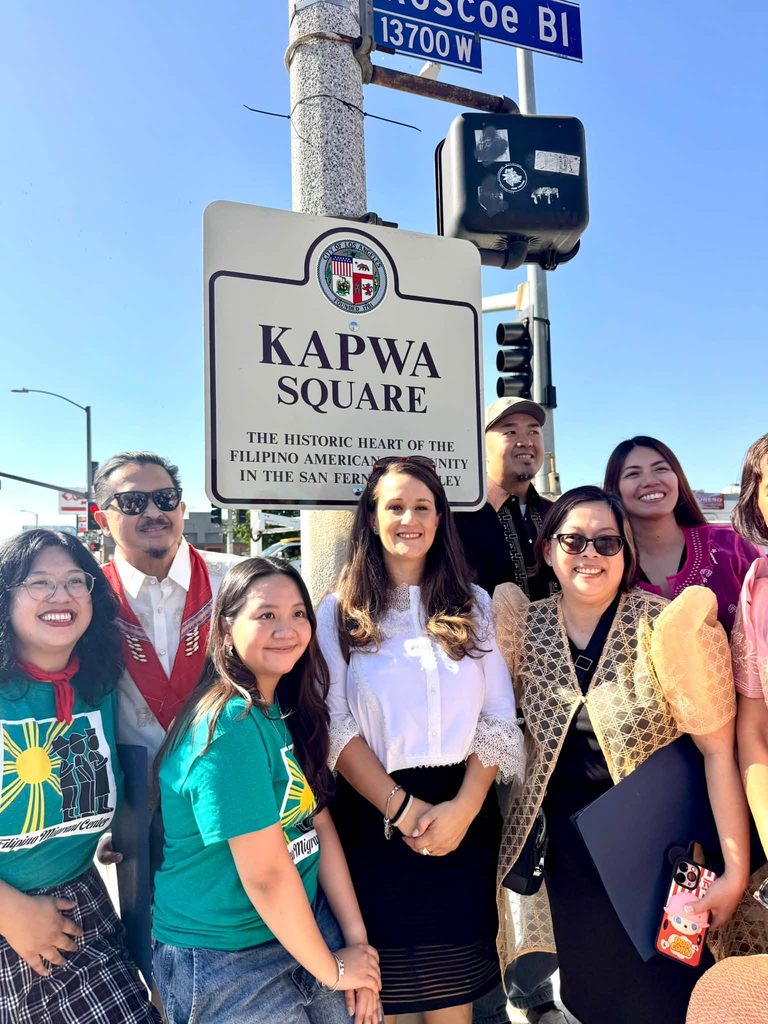
The word kapwa carries a meaning deeper than simply “togetherness.” Rooted in Filipino culture, it expresses the idea of shared identity and interconnectedness—recognizing oneself in another person and understanding that our lives and communities are connected.
The effort to establish Kapwa Square was led by Los Angeles City Councilmembers Imelda Padilla, whose district includes Panorama City, and Ysabel Jurado, the first Filipina elected to the Los Angeles City Council. The two councilmembers introduced the motion for the designation in 2025, ultimately creating a visible landmark recognizing the Filipino American community in the Valley.
Among those participating in the celebration were representatives of the Pilipino Workers Center, the Los Angeles Filipino Association of City Employees, students and other community organizations. The Pilipino Workers Center has also expanded its presence in the San Fernando Valley, opening a community hub in the area to serve Filipino workers and families.
For me, the corner carries its own memories. When I attended Los Angeles Valley College, I used to stop there every Friday after a long week of school and have lunch at D.J. Bibingkahan before going home. My lunch cost only $8.62, but it became my weekly treat and part of my routine. D.J. Bibingkahan has since moved, and that space is now Mi Tierra, but seeing that same corner recognized decades later brought back memories of my own life in the Valley.
That personal connection is also what makes places like Kapwa Square meaningful. Filipino American history does not exist only in museums, textbooks or major historical events. It also lives in restaurants where families gathered, businesses people supported, schools students attended and street corners that quietly became part of everyday life.
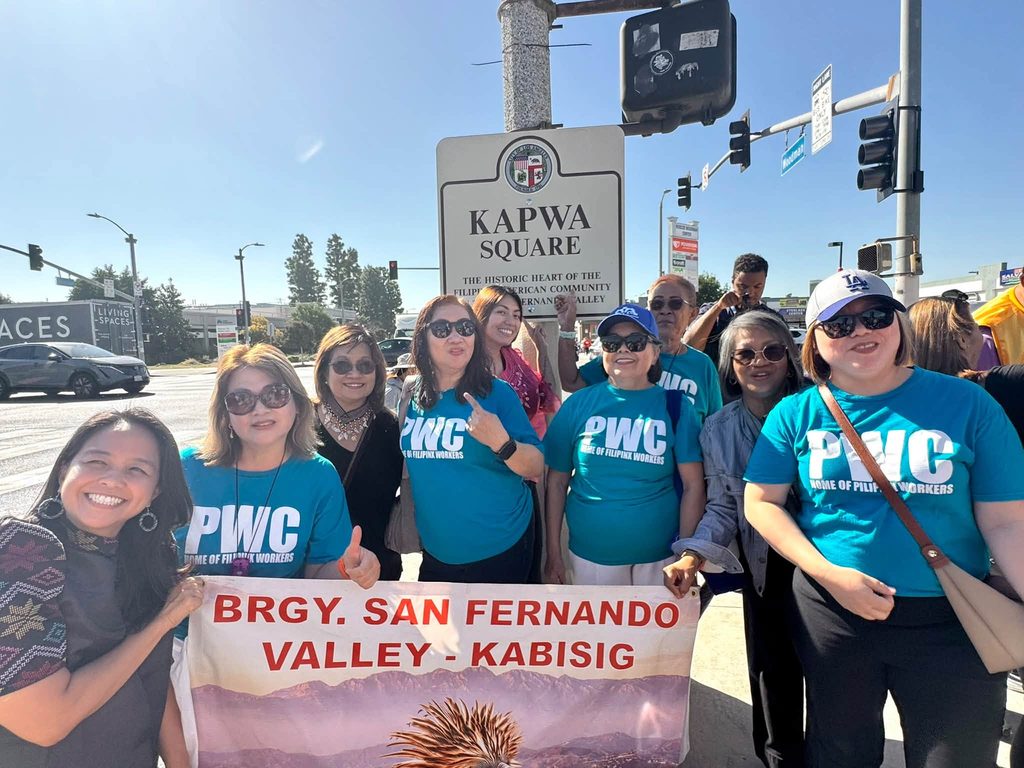
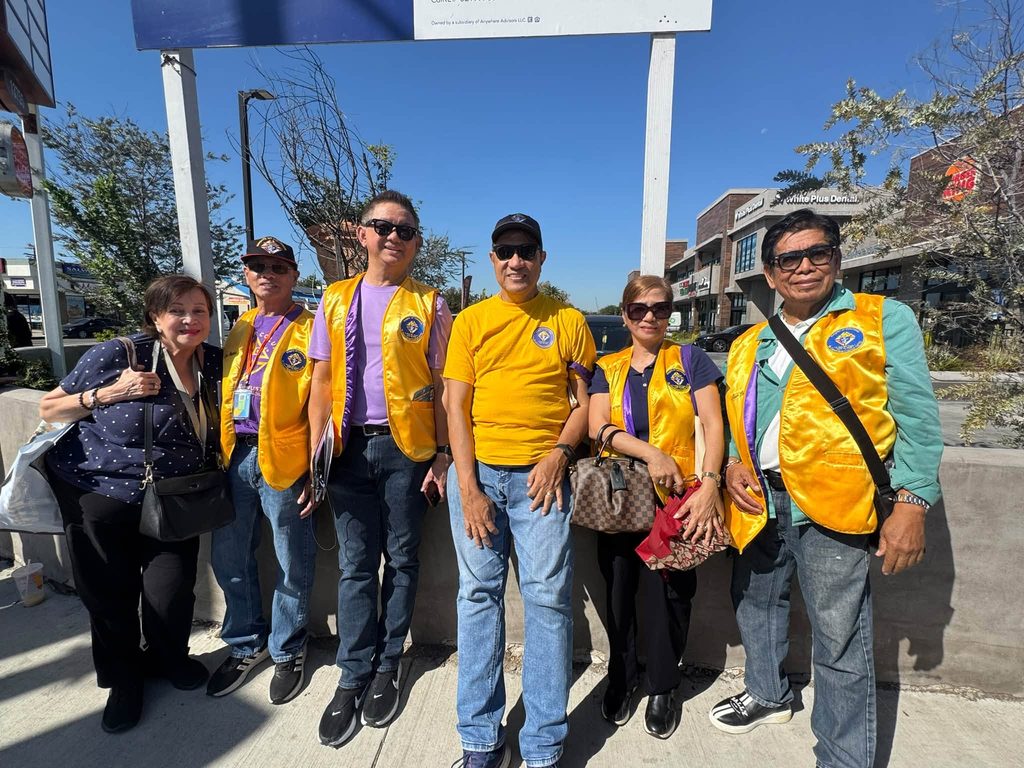
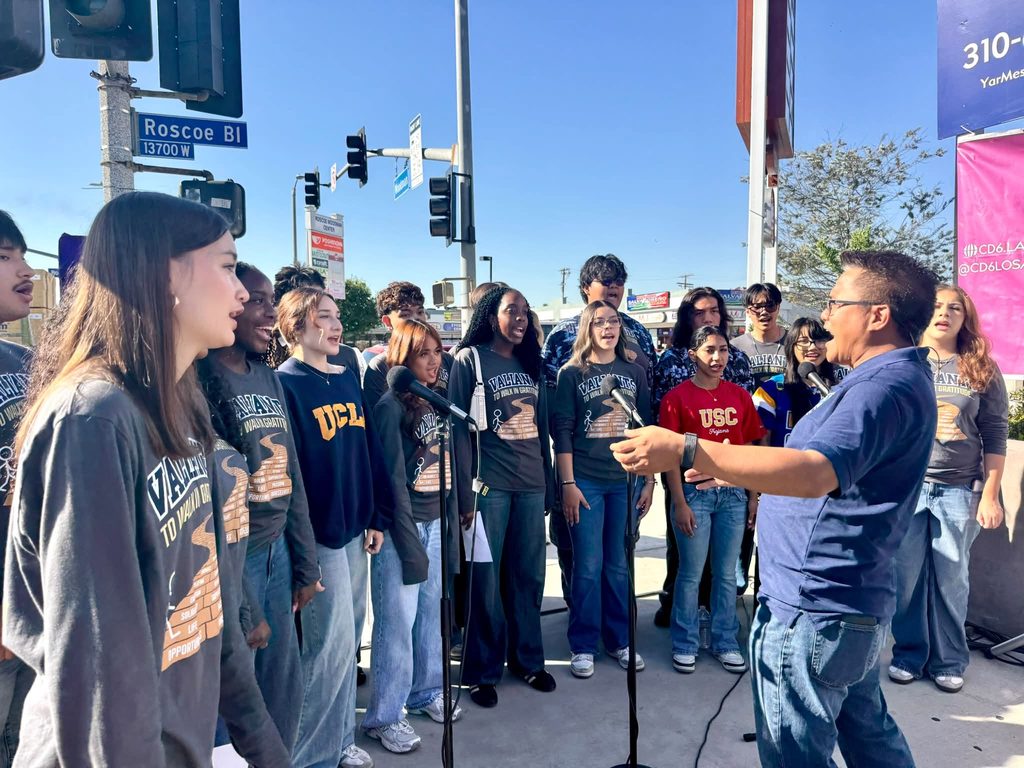
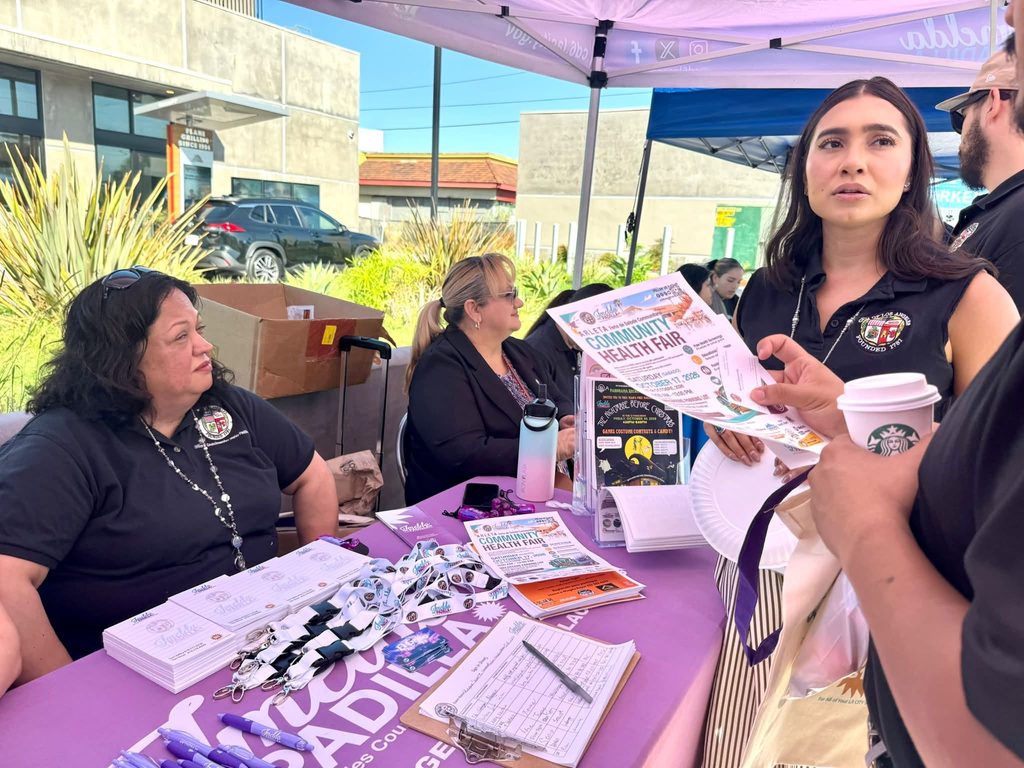
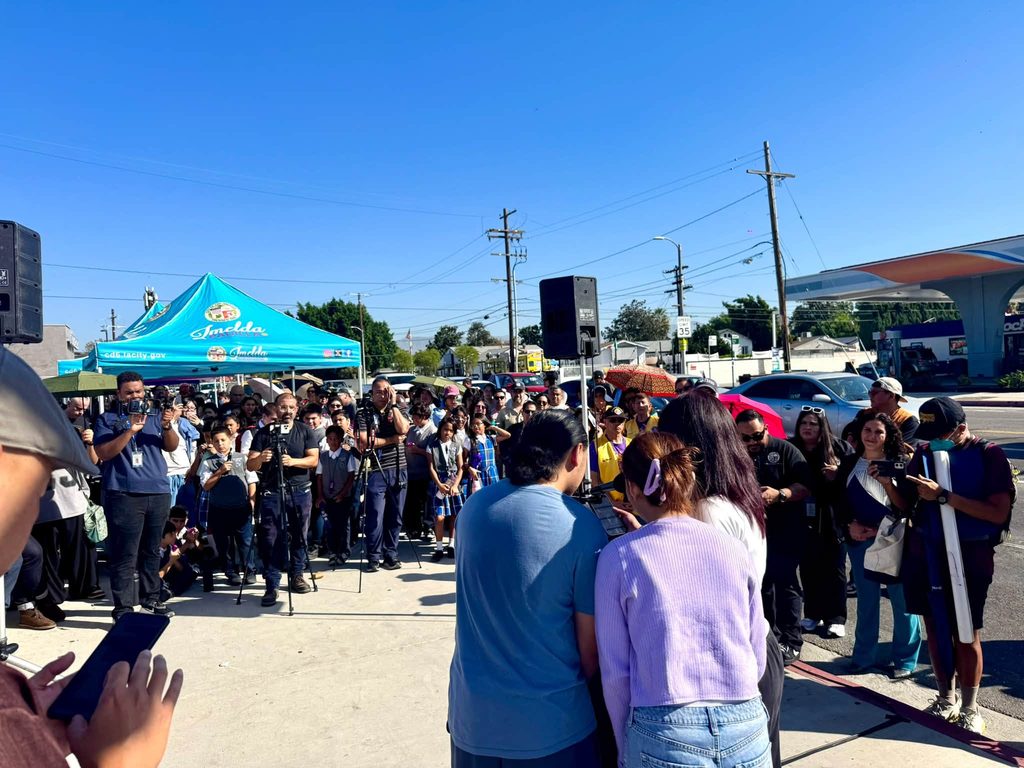
Naming the intersection Kapwa Square gives those experiences a visible place on the map of Los Angeles. It tells future generations that Filipino Americans were here, contributed to the city and helped shape the communities around them.
Kapwa Square is more than a marker on a map. It is a physical declaration that Filipino American history belongs in the landscape of Los Angeles.