
IN THE MIX by Mic Diaz
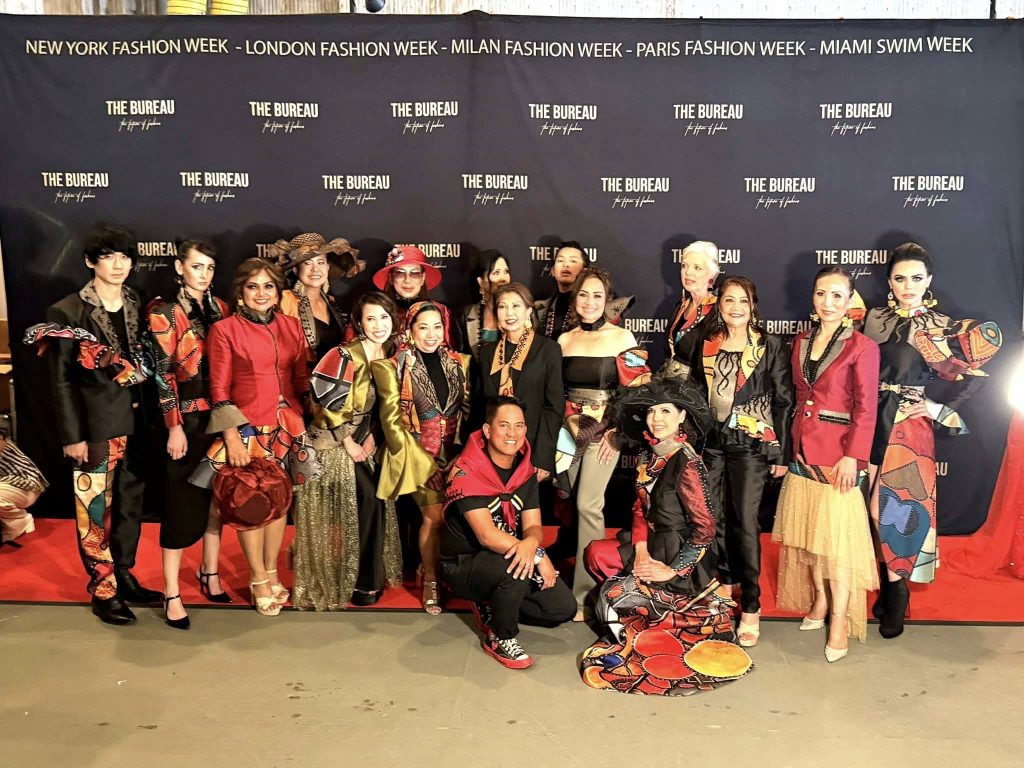
Los Angeles’ creative energy took center stage during LA Fashion Week Spring 2026 at The Lot at Formosa, where designers from around the world presented collections that blended fashion, art, and cultural storytelling. Produced by The Bureau Fashion Week, the showcase highlighted emerging designers and global brands while reinforcing Los Angeles’ growing role as an international fashion hub.
One of the evening’s most compelling presentations came from House of Musa, the advocacy-driven fashion house founded by Filipino designer Joy Soo.
The runway presentation featured vibrant fabrics, bold textures, and flowing silhouettes, reflecting a unique fusion of fashion design and visual art. The LA showcase was coordinated by creative director Cindy Mac, and incorporated the visual textile art of Marconi Calindas‑Cafege, whose graphic designs were integrated into the fabric patterns and runway visuals.
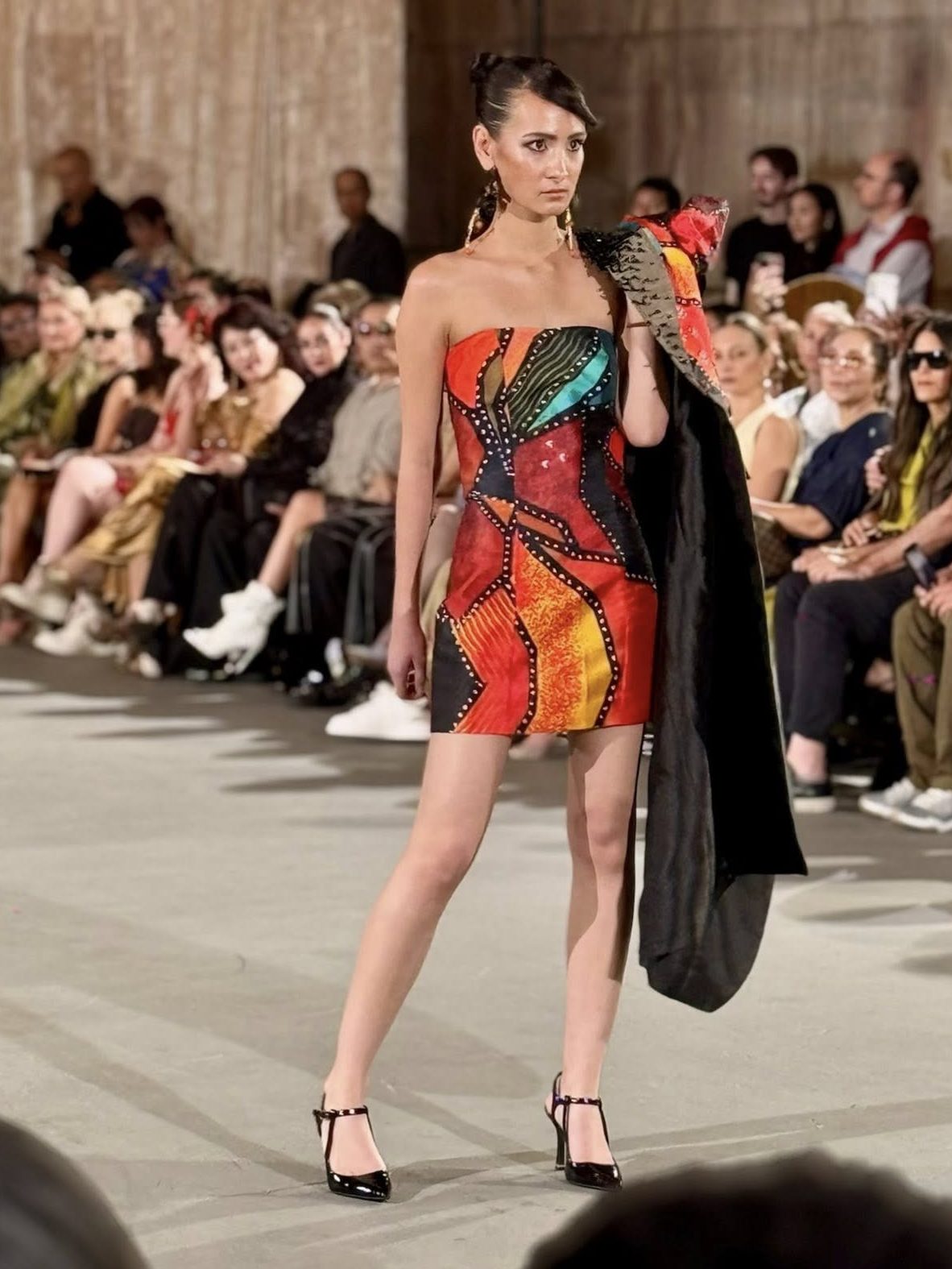
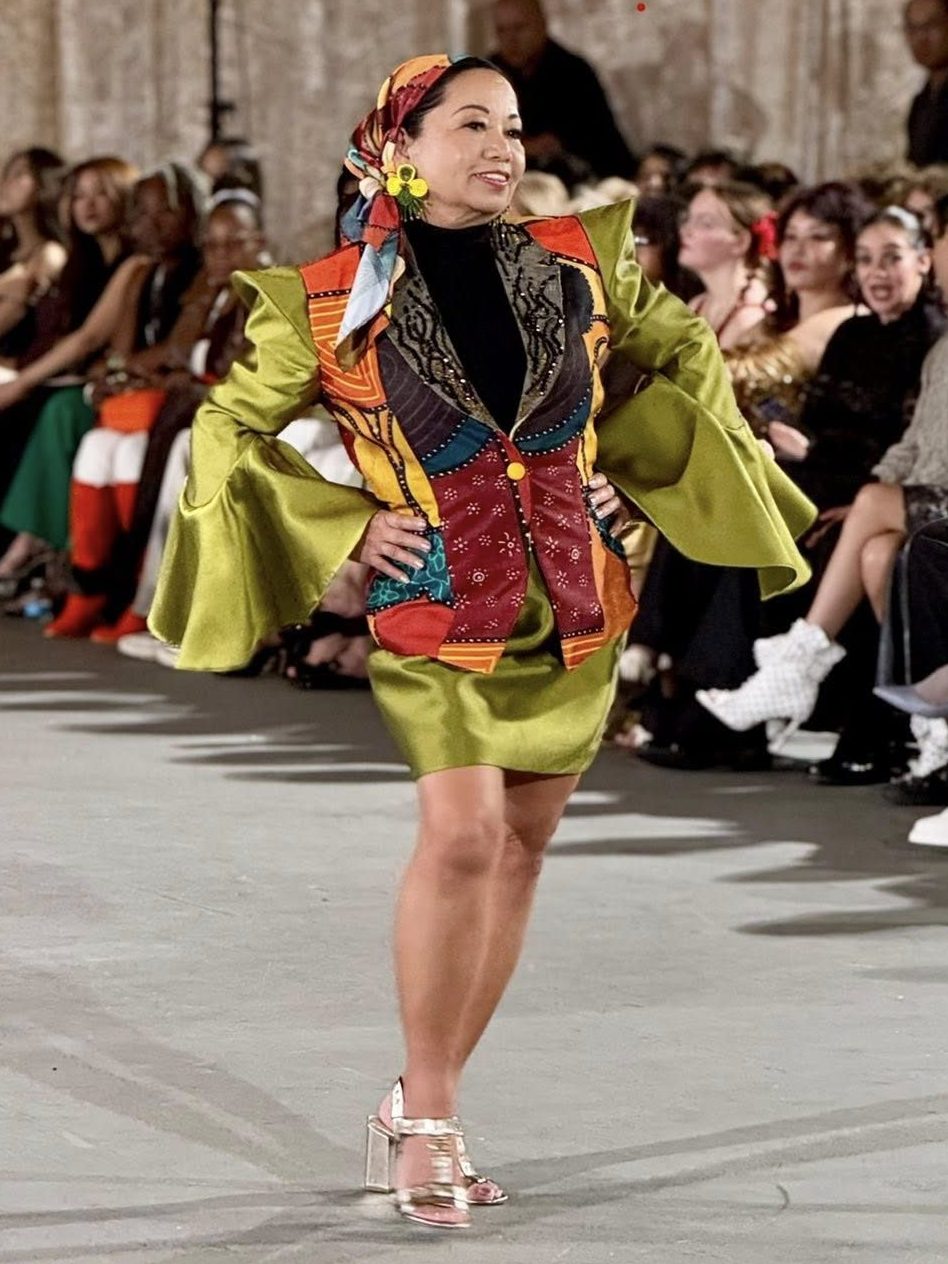
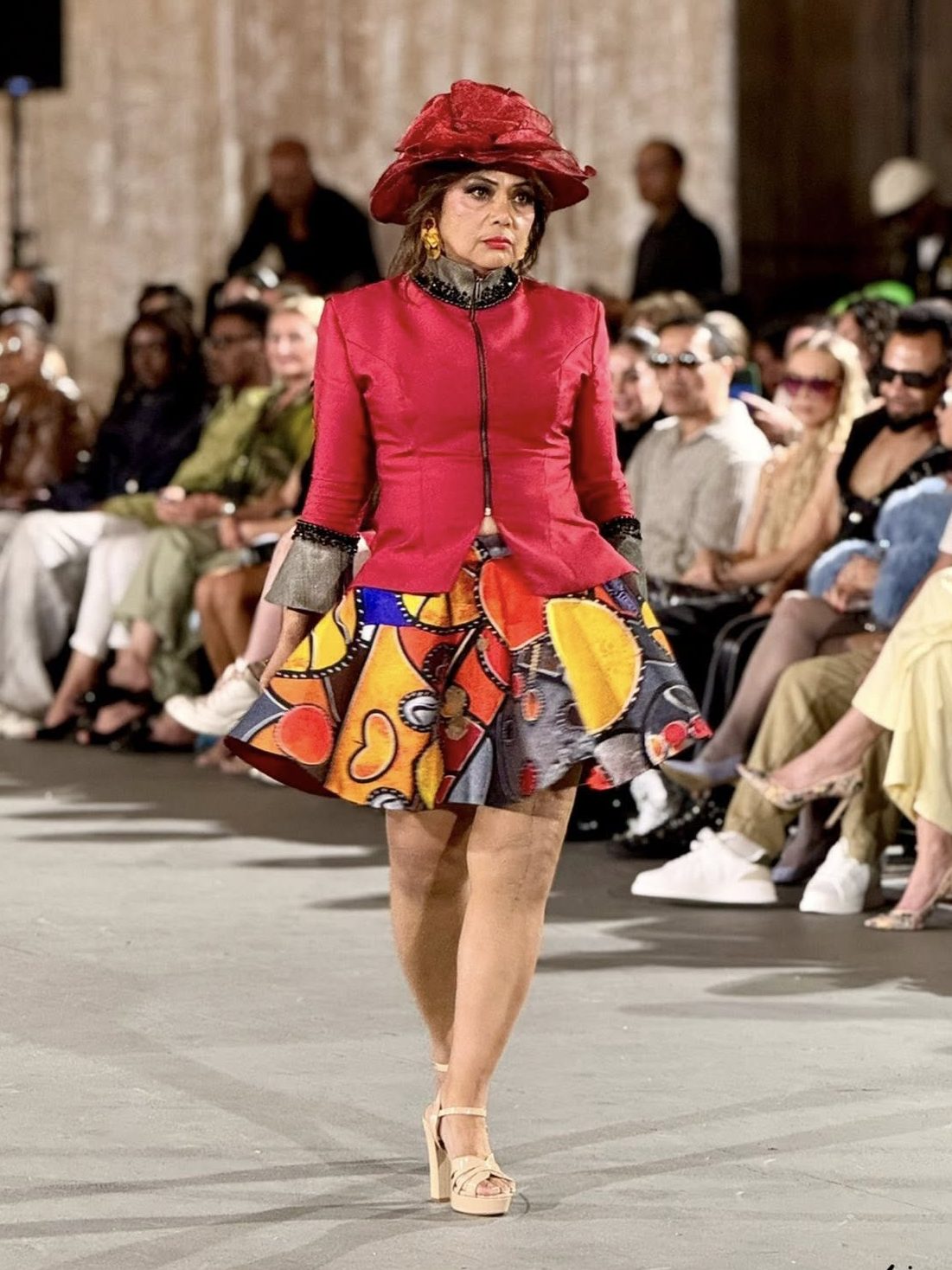
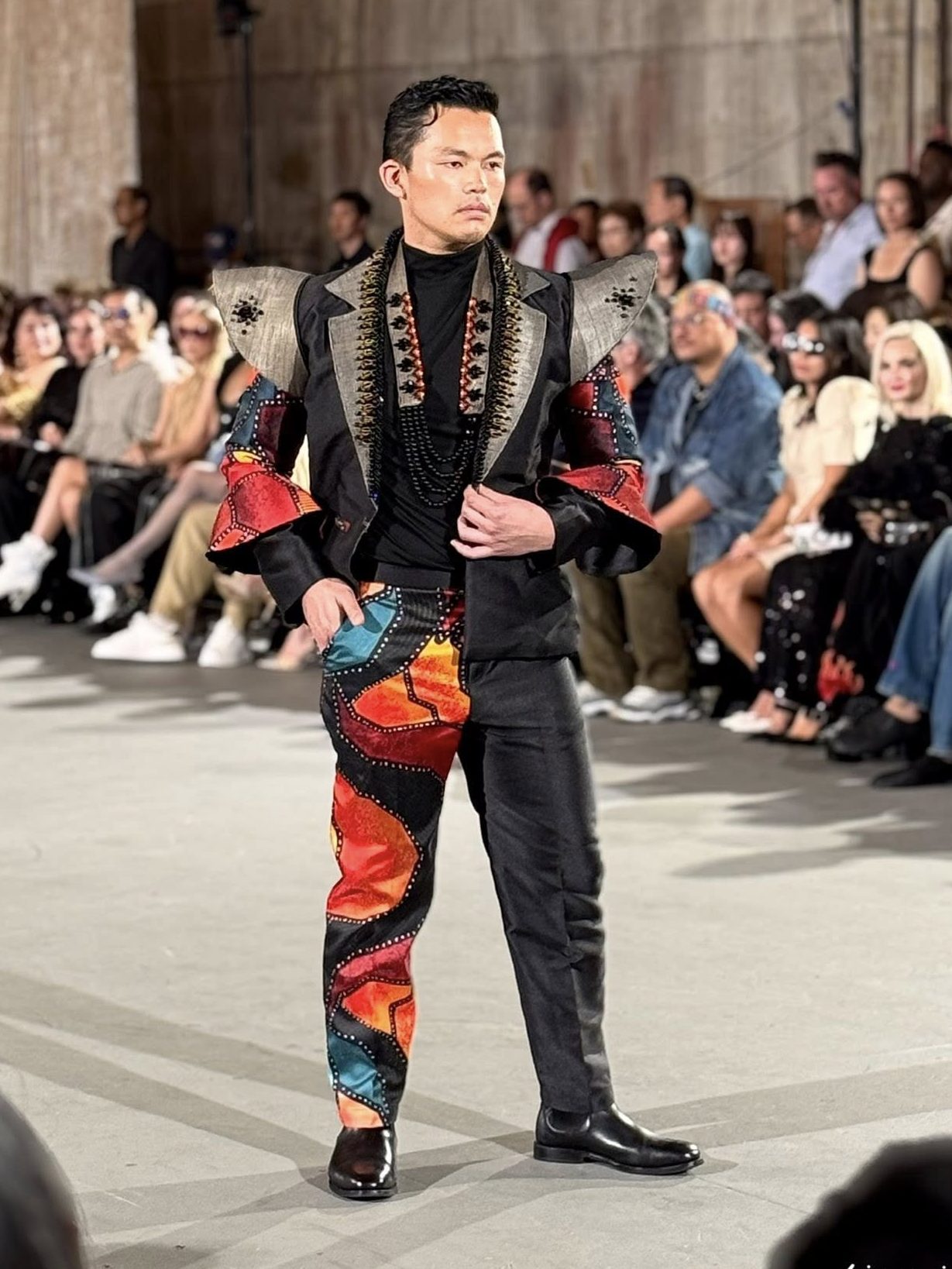
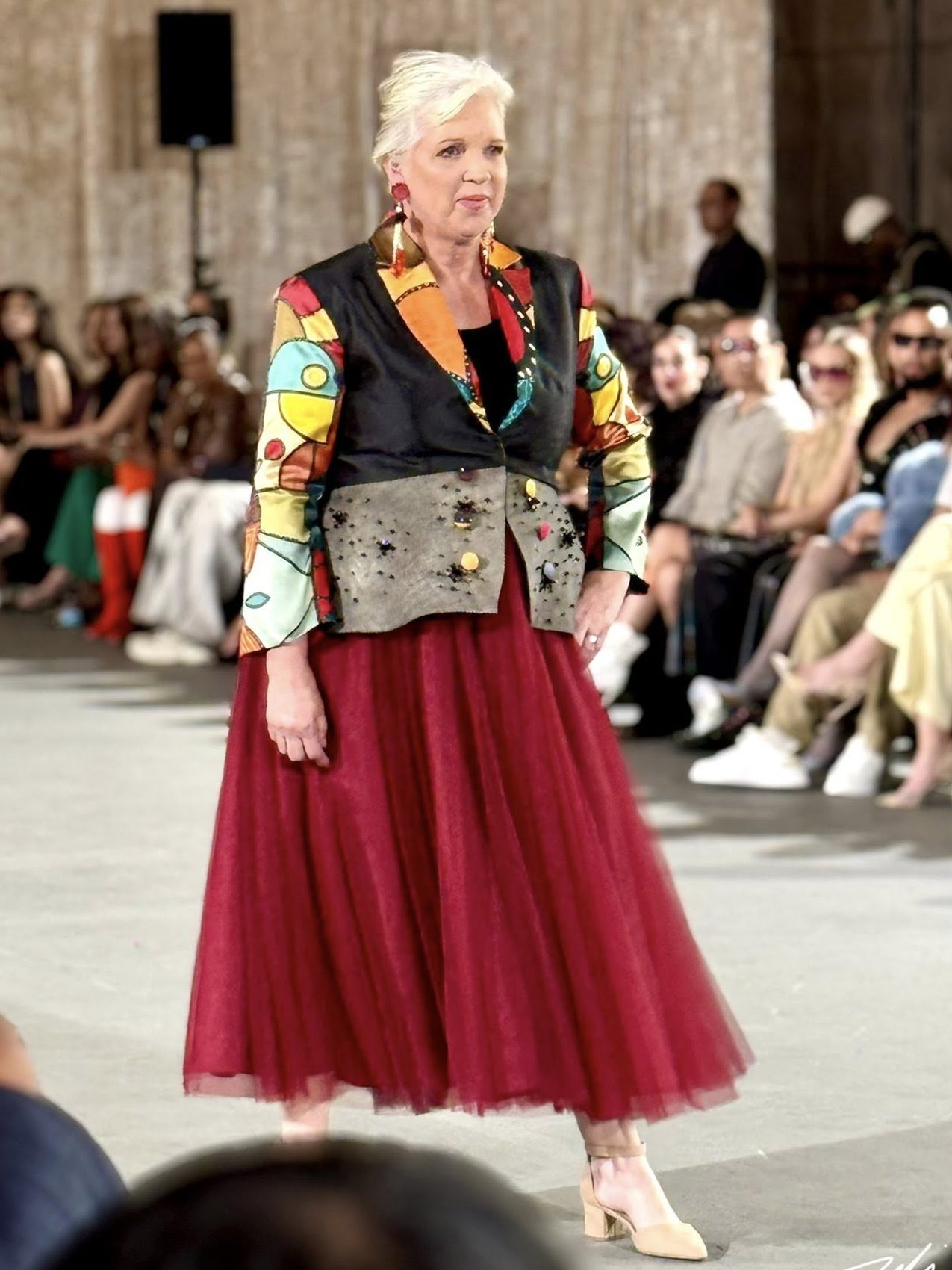
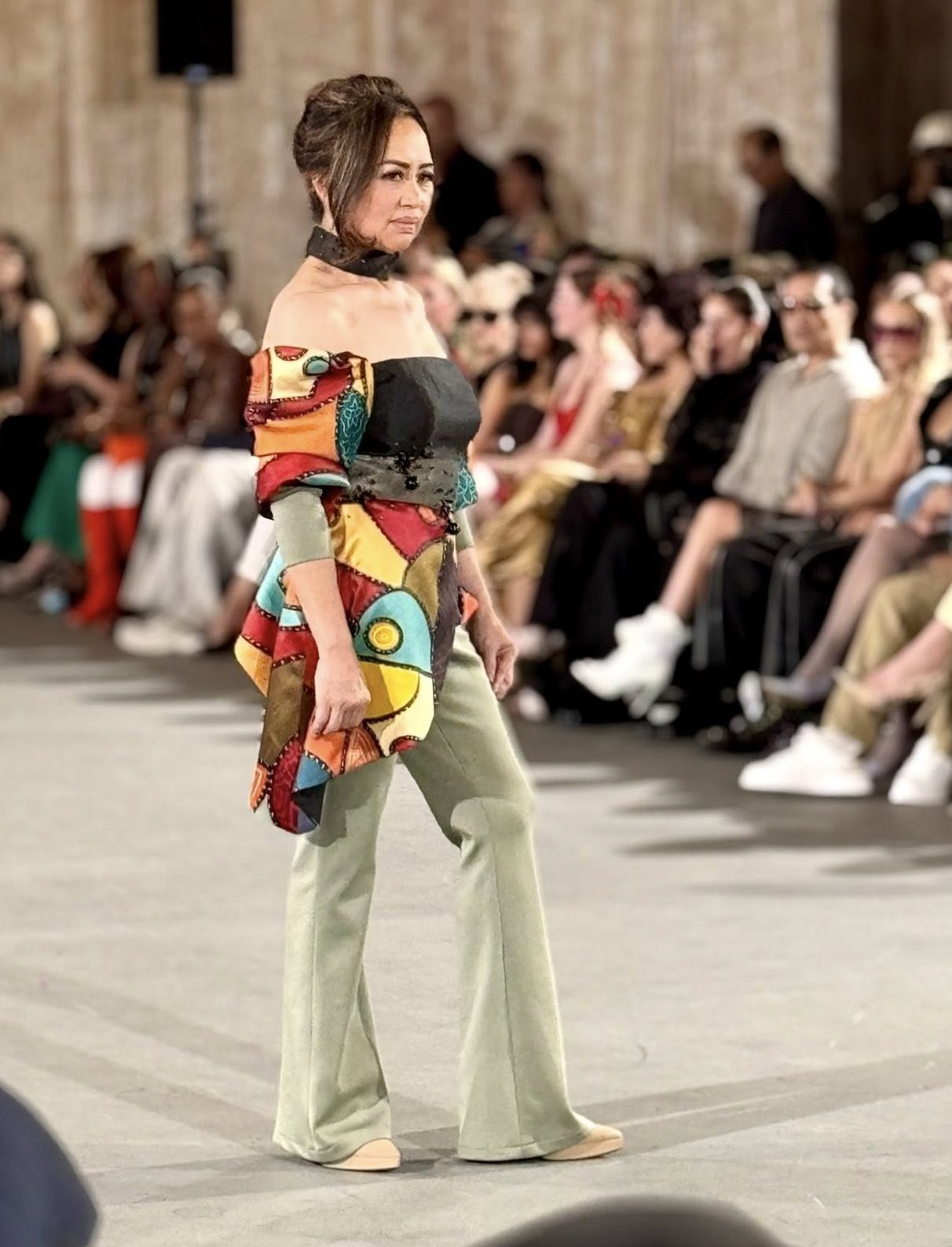
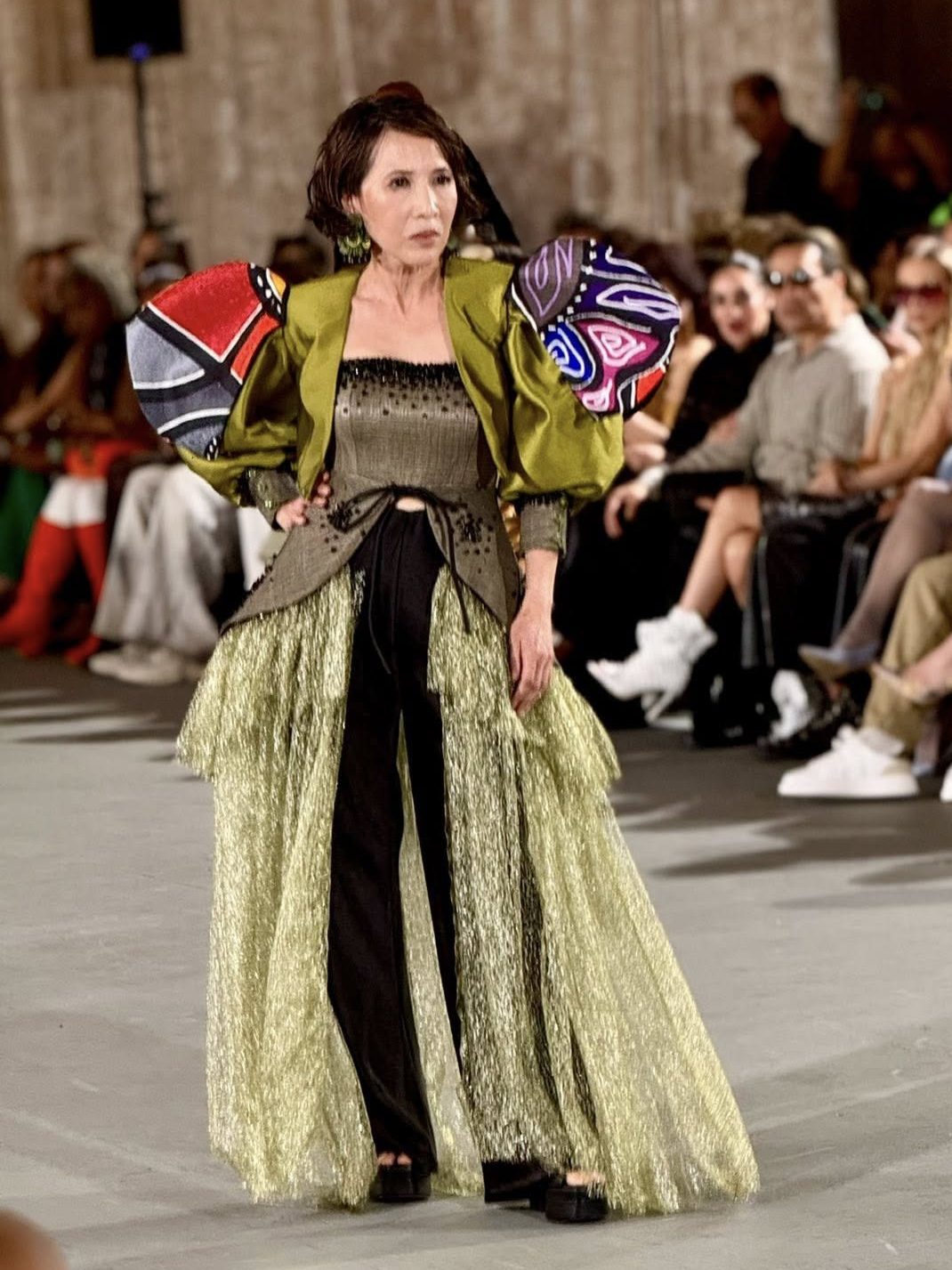
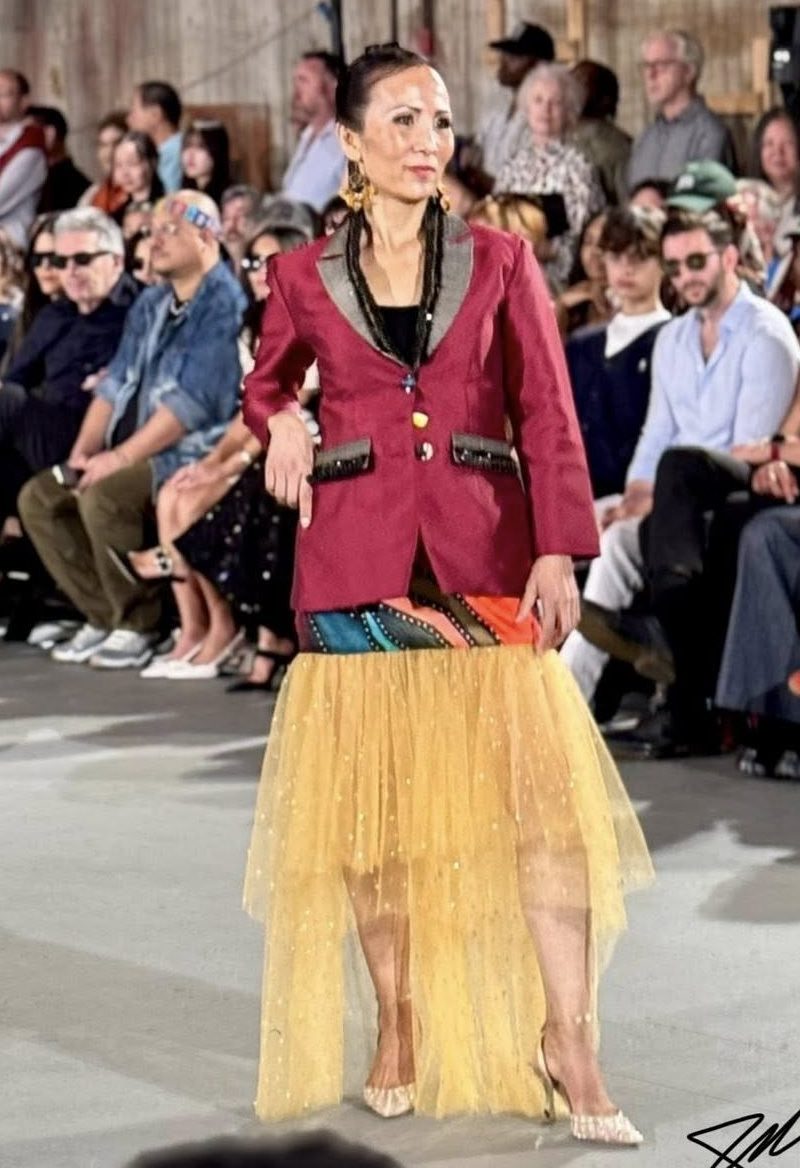
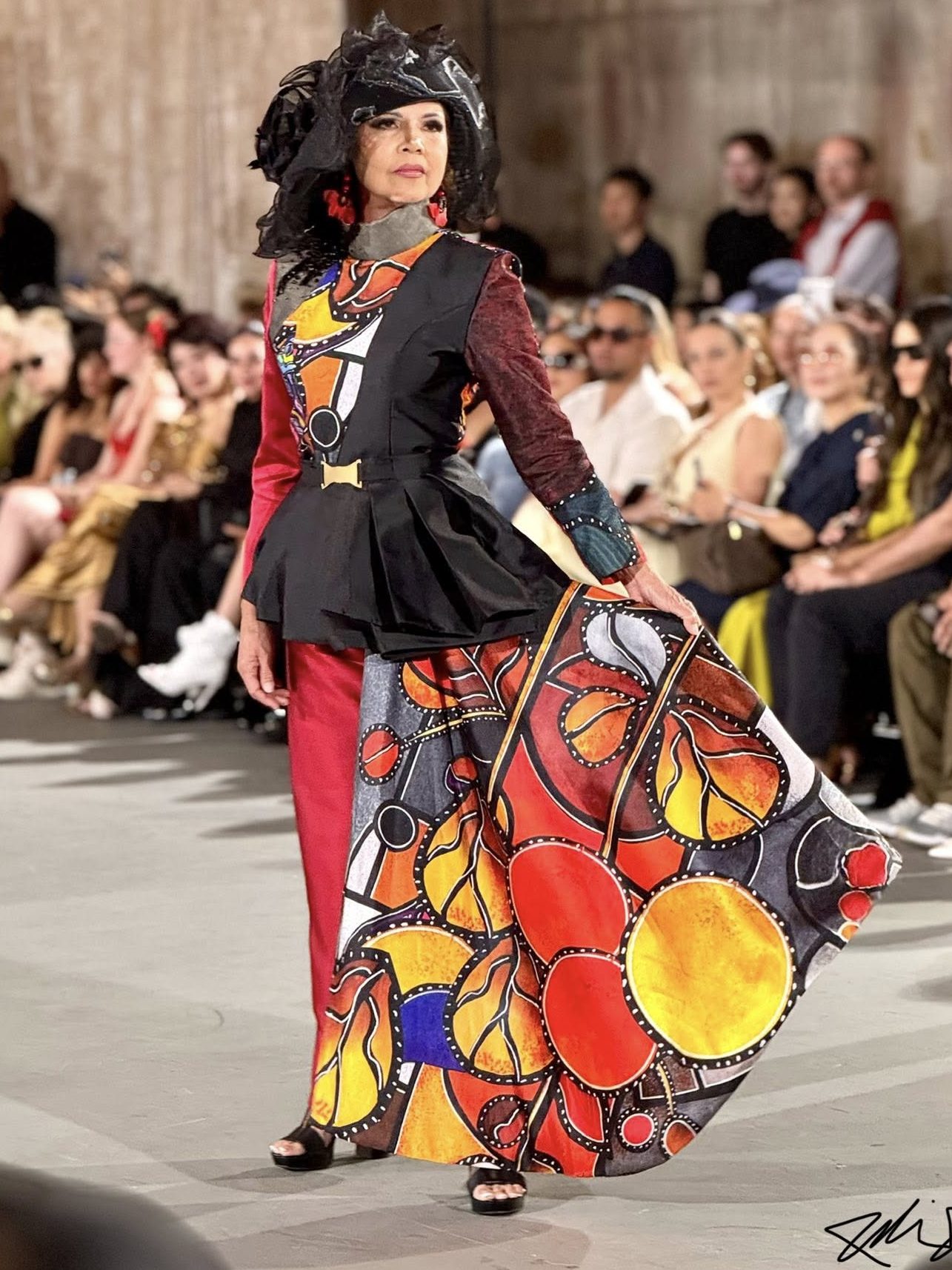
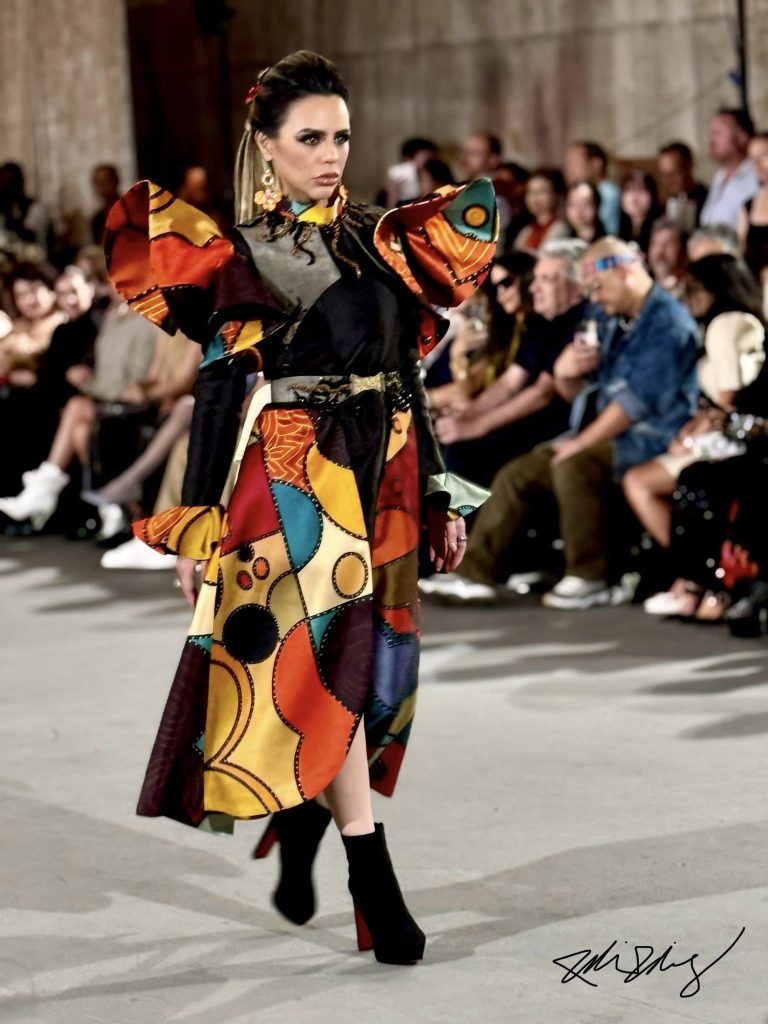
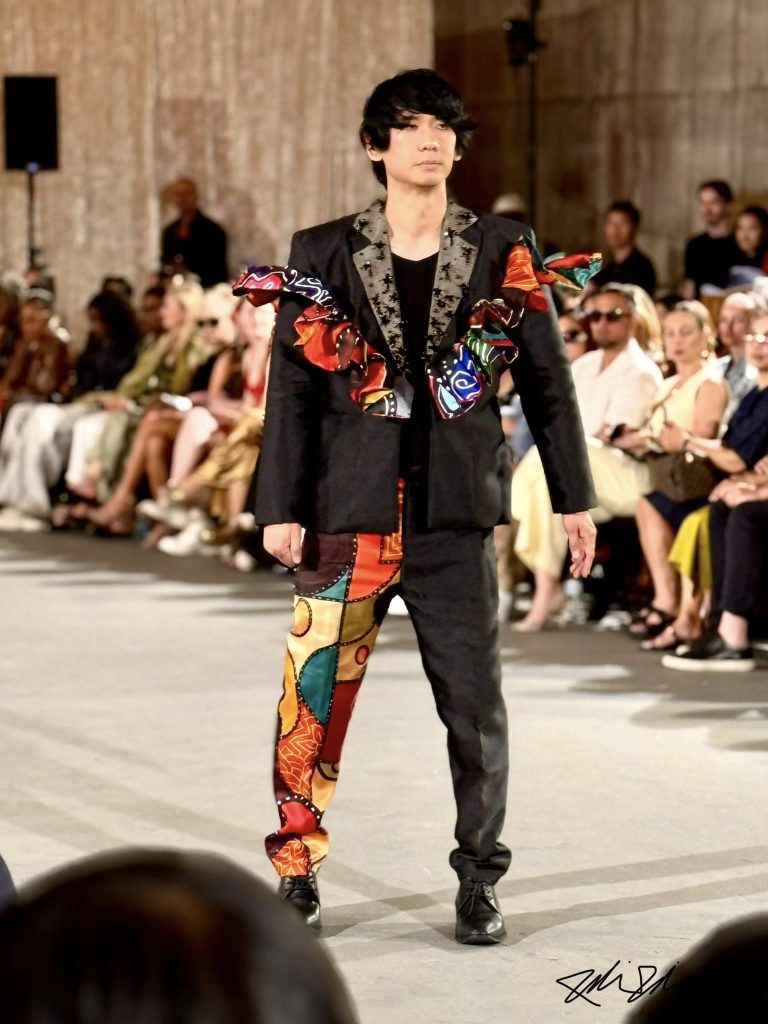
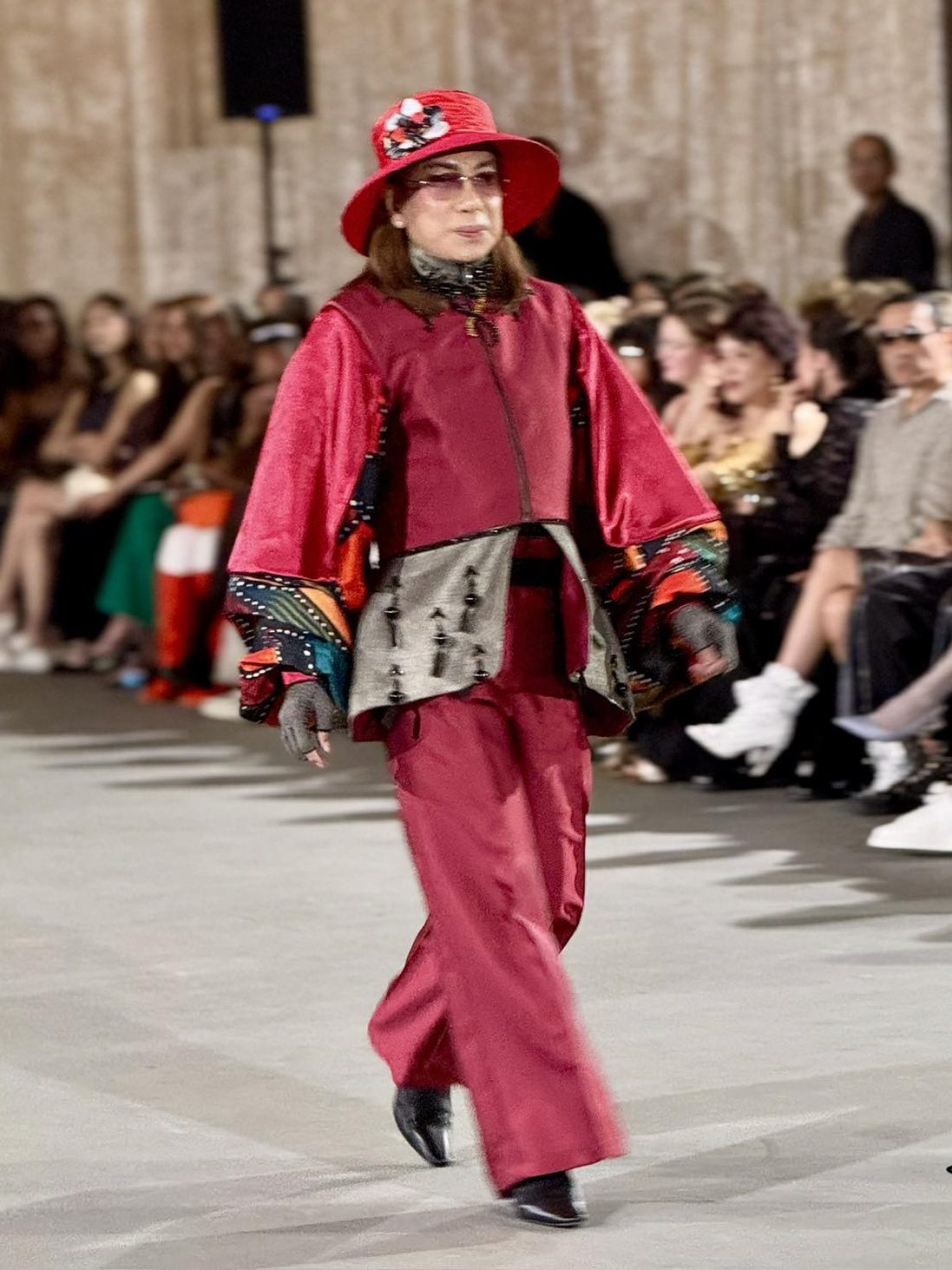
Photos by Mic Diaz
The presentation in Los Angeles follows the brand’s recent international appearances in Paris, Milan, and New York City, bringing global visibility to a textile innovation that originates in the Philippines.
Beyond its striking aesthetic, House of Musa stands apart because of its deep commitment to sustainability and social impact. The brand’s signature material, Musa fabric, is made from banana fiber, derived from the scientific name of the banana plant Musa. The fibers are sourced from Davao del Norte, located in the southern Philippine island of Mindanao, one of the country’s major banana-growing regions. Instead of allowing agricultural by-products to go to waste, House of Musa transforms banana fibers into luxurious textiles used for couture garments and accessories.
The weaving process itself carries an even deeper social purpose. Banana fiber fabrics used in the collections are woven inside three correctional institutions in Davao del Norte, where persons deprived of liberty participate in the textile production process. Through this initiative, participants gain meaningful work, vocational skills, and an opportunity to support their families. The program operates through the Davao del Norte Association of Musa Designers Artisans and Seamstresses, also known as DAMDAS, a network of local craftspeople dedicated to sustaining banana fiber weaving while uplifting communities connected to the industry. By combining traditional craftsmanship with modern fashion design, House of Musa creates a powerful connection between local livelihood in Mindanao and international fashion platforms.
House of Musa also supports several humanitarian initiatives in the Philippines. One of these is the Musa Pink Foundation, which raises awareness and support for women battling breast cancer. Through initiatives such as the Pink Fashion Runway, the organization uses fashion shows to express solidarity and empowerment for women facing the disease. Another beneficiary is Angel’s Haven, a program that supports children with special needs, ensuring that the fashion house’s advocacy extends to vulnerable communities. During the global COVID-19 pandemic, the organization also launched the “Mask of Hope” initiative, producing protective masks while symbolizing resilience and community care during a difficult time. These initiatives illustrate how the brand’s work goes far beyond the runway.
House of Musa first gained international attention when it debuted at New York Fashion Week, introducing the banana fiber textile to a global audience. Since then, the brand has continued its international expansion, presenting collections in Paris, London, Milan, and other global fashion showcases, bringing attention to the innovative textile and the communities that produce it. Each garment that appears on these runways traces its origins back to the artisans and weaving communities of Mindanao, making every collection not just a fashion statement but a representation of cultural heritage and social empowerment.
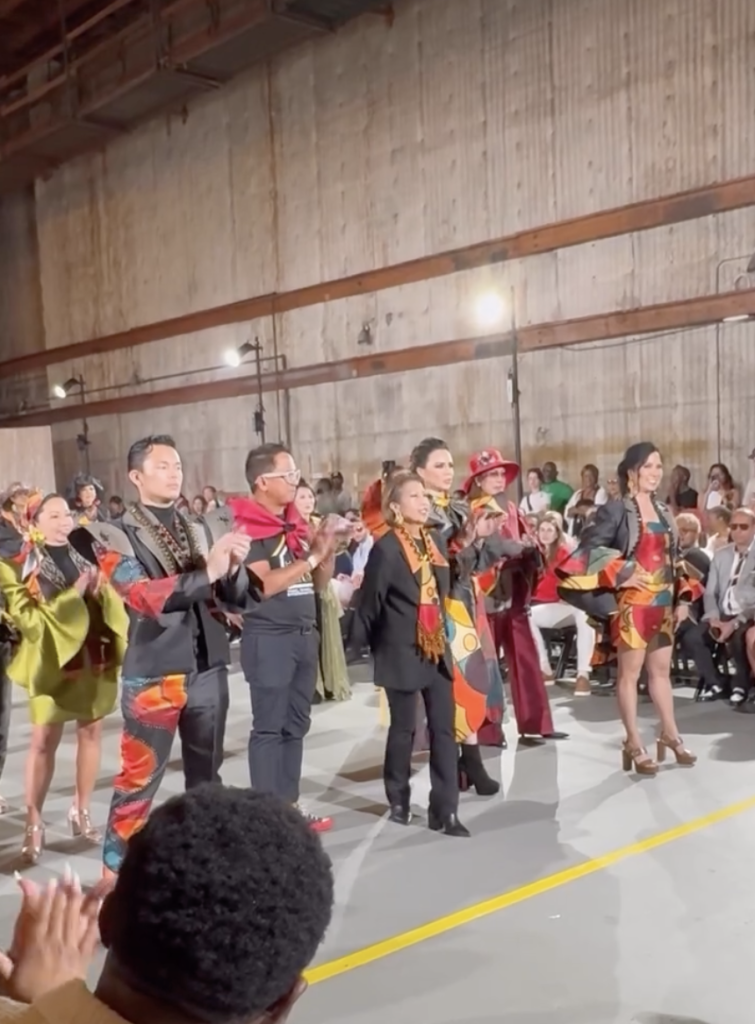
The House of Musa showcase at LA Fashion Week demonstrated that fashion can be more than aesthetics—it can serve as a platform for sustainability, cultural storytelling, and social impact. From banana farms and weaving communities in Mindanao to runways in Los Angeles, Paris, Milan, and New York, the brand continues to bridge local craftsmanship with global fashion audiences. In an industry often driven by fleeting trends, House of Musa offers a different perspective—one where fashion is woven not only with fabric, but with purpose, compassion, and ambition.